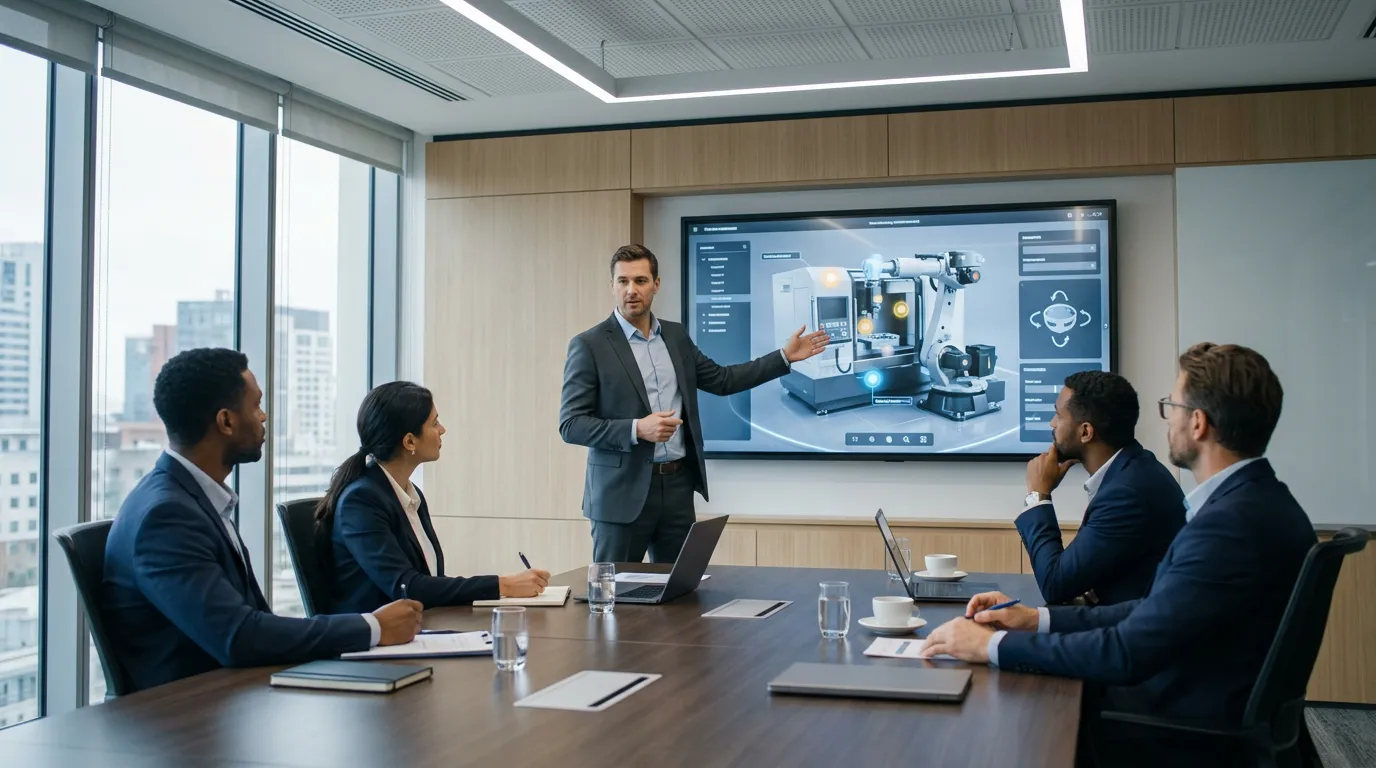
Your product is extraordinary. The way you are presenting it to buyers probably is not. Here is what digital twin visualization changes.
Introduction
There is a gap that exists inside almost every OEM company in the world. On one side, an engineering team that has built something extraordinarily complex, precise, and valuable. On the other side, a sales team trying to explain that product to buyers using PDF datasheets, static photographs, and PowerPoint slides.
The product is impressive. The tools being used to communicate it are not.
Digital twin visualization closes that gap. Not by replacing your sales team, but by giving them something they have never had before — a product experience that travels, scales, and works without an engineer in the room.
What Is a Digital Twin
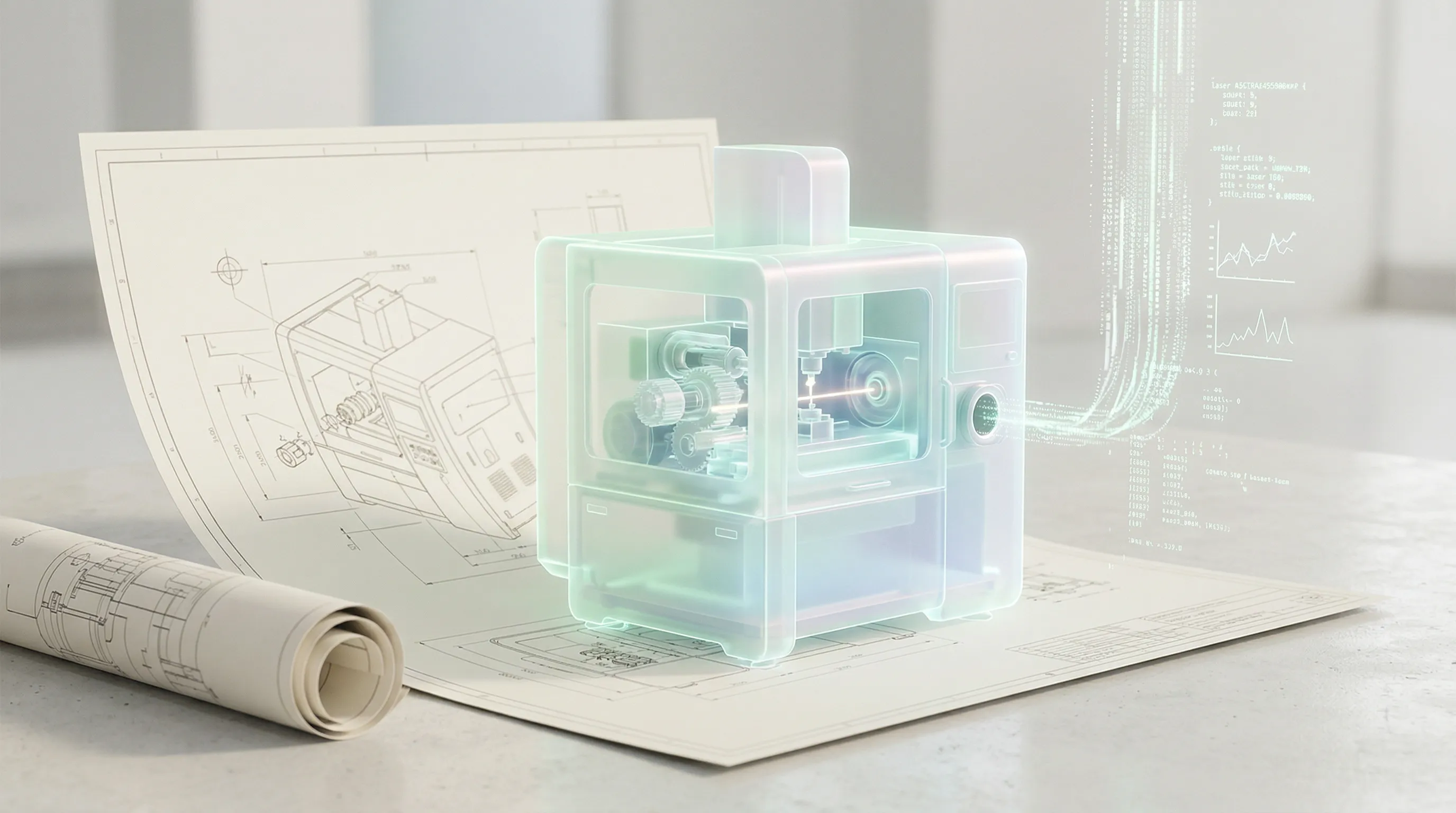
A digital twin is a digital replica of a physical product. The term originally described simulation models used by engineers for performance testing and predictive maintenance. The definition has since expanded.
Today a digital twin is any high-fidelity digital representation of a physical product that can be interacted with, explored, and shared. For OEMs, this means your existing CAD files, STEP files, and 3D engineering data are already the foundation. The model exists. The question is what you are doing with it after engineering is done.
What Is Digital Twin Visualization
Digital twin visualization is the process of taking that engineering model and transforming it into an interactive, web-ready experience that anyone can access and explore. No specialist software. No installation. No engineer required.
When done well, a digital twin experience allows a buyer, dealer, or training participant to:
Rotate and zoom into the product from any angle
Click on components to understand what they do
Watch animations showing how the product operates
View specifications and dimensions overlaid on the 3D model
Experience the product in AR on a phone or in VR with a headset
All of this from a shared link. Available to every stakeholder involved in the buying decision, anywhere in the world, at any time.
"Your CAD files already contain everything needed to build a product experience your buyers can explore independently. Most OEMs never use them for anything beyond engineering."
Why OEMs Specifically Need This
OEMs face a sales and marketing challenge that consumer brands do not. Your products are complex, expensive, and often impossible to demonstrate physically at scale. A medical imaging machine, an industrial automation system, a precision manufacturing line — you cannot put these in a showroom or ship them to every distributor for a live demo.
The traditional solutions are costly and limited. In-person demonstrations at your facility require travel and scheduling. Trade show appearances are expensive and infrequent. Agency-produced videos go out of date quickly and cannot be interacted with.
Digital twin visualization solves all of these problems with a single asset that can be updated, shared, and experienced by any buyer on any device.
Five Problems Digital Twin Visualization Solves for OEMs
Sales demos that travel without your team. Once built, your sales team shares the experience via a link after every call. The buyer explores independently, shares it with colleagues, and returns to it throughout the evaluation process.
Dealer and distributor enablement. Your distribution network can demonstrate the product accurately without engineering support — regardless of their technical depth or familiarity with the product line.
Multi-stakeholder alignment. Four to six people are typically involved in a capital equipment purchase. A digital twin link reaches every one of them simultaneously with the same quality product explanation.
Trade show presence without logistics. A full interactive product demonstration on a screen or VR headset — at a fraction of the cost of shipping industrial equipment to an exhibition.
After-sales and training. The same digital twin used for sales can be repurposed for customer onboarding, operator training, and maintenance guidance — reducing support costs and improving product adoption.
The Asset Is Already There
Every modern OEM has detailed 3D models of their products sitting in the engineering department. In most companies those models are used for design, simulation, and manufacturing — and nothing else.
Digital twin visualization takes that existing investment and puts it to work in sales, marketing, training, and after-sales support. The engineering work is done. The question is whether it is working as hard as it could be.
Frequently Asked Questions
What Types of OEM Products Work Best for Digital Twin Visualization? Digital twin visualization works for any product that exists as a 3D engineering file. It is particularly valuable for products that are large, complex, expensive, or difficult to demonstrate physically — including medical devices, industrial automation systems, capital equipment, and precision manufacturing machinery. If a CAD or STEP file exists, a digital twin experience can be built from it.
How Is Digital Twin Visualization Different From a Product Video? A product video is pre-rendered and passive. The viewer watches it. A digital twin experience is interactive. The viewer controls the camera, explores components, triggers animations, and engages with the product at their own pace. For buyers evaluating a complex product, the difference in understanding and engagement is significant.
How Long Does It Take to Build a Digital Twin Experience? Most digital twin experiences are built in four to eight weeks depending on model complexity and the number of interactive features required. The starting point is always your existing CAD or STEP files — no new 3D modelling is needed from scratch, which keeps both cost and timeline predictable.