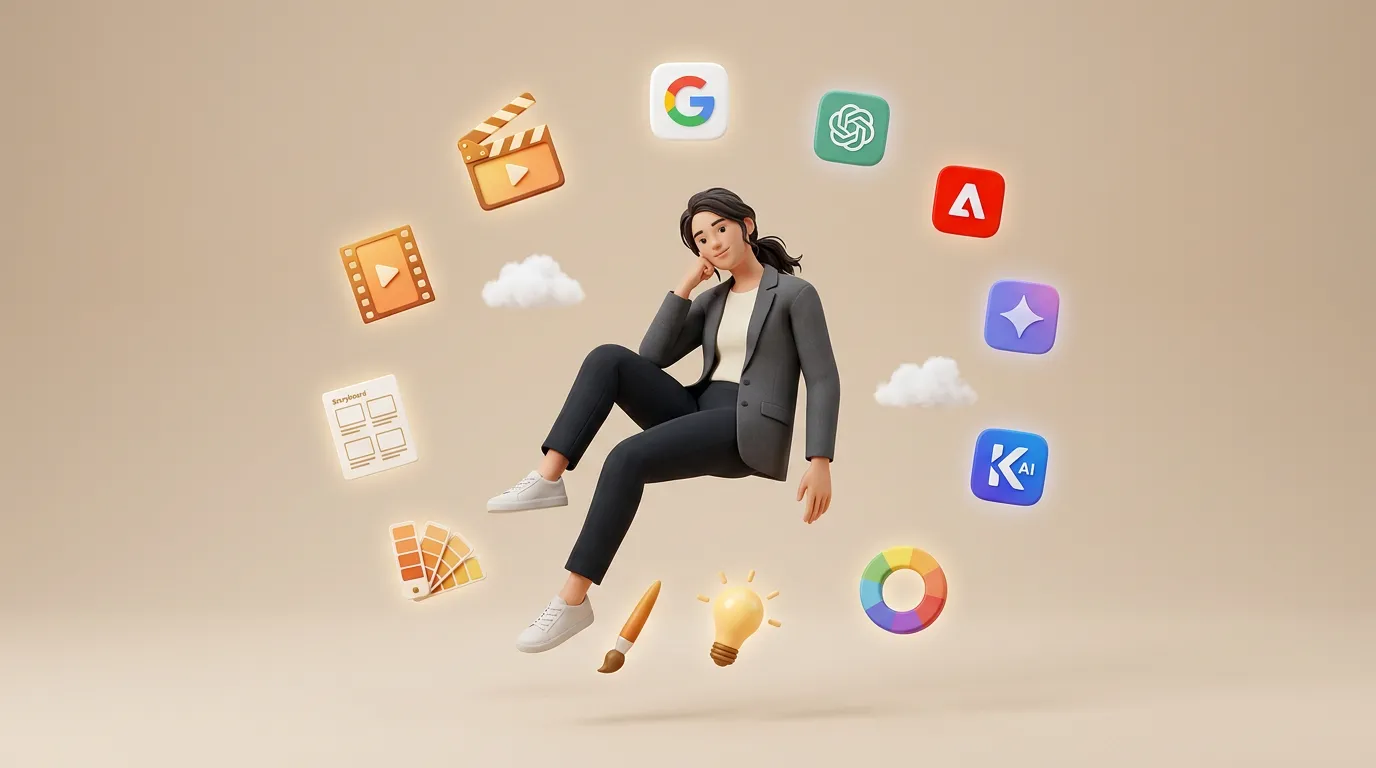
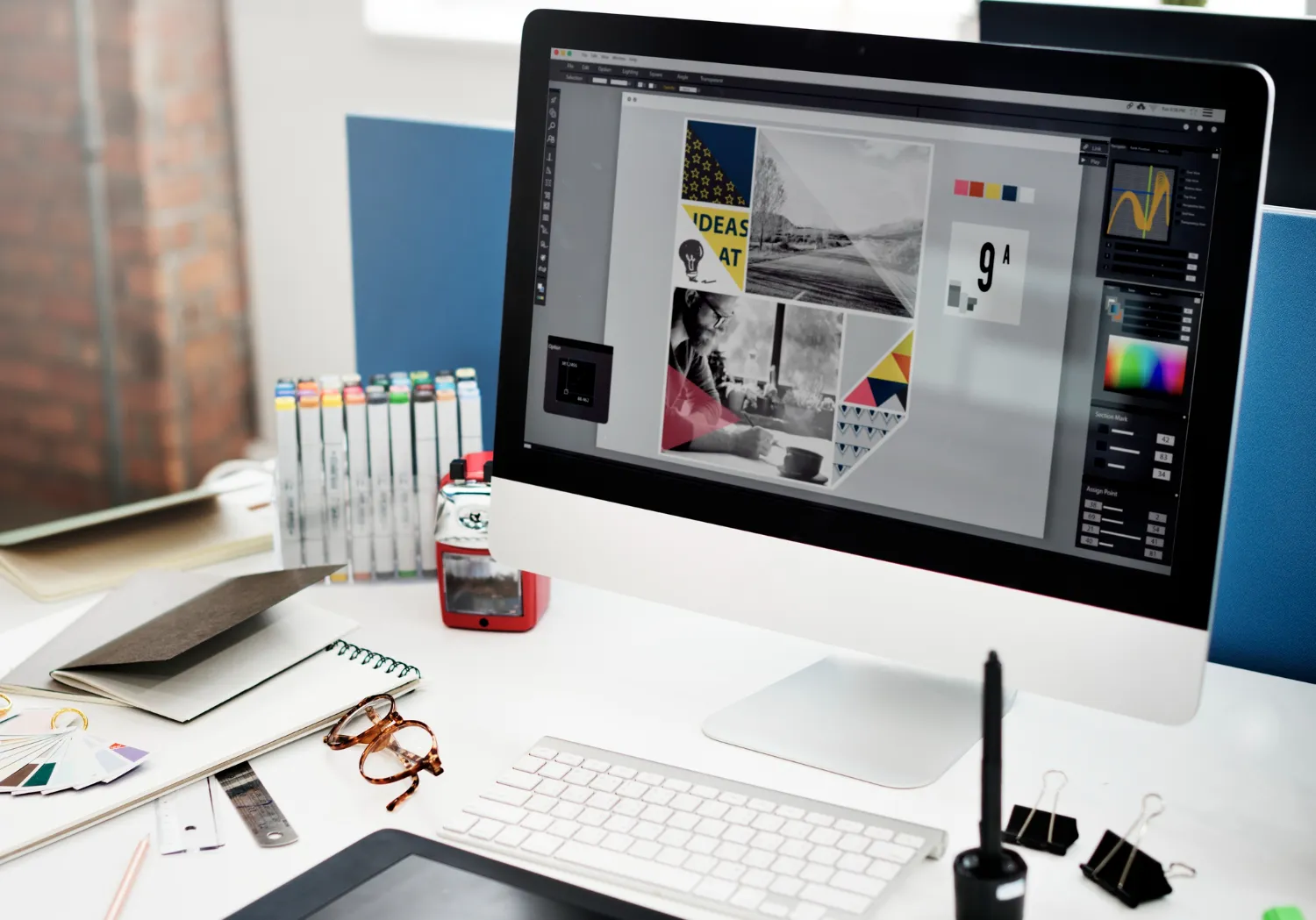
High quality ad film production used to require big budgets and long timelines. AI has changed both of those things permanently.

Introduction
Three years ago, producing a high quality brand ad film meant hiring a director, booking a crew, managing a shoot, and spending weeks in post production. The minimum viable budget for anything that looked genuinely cinematic was significant. For most mid-sized brands, that budget was simply not available.
AI has changed this equation completely. Not by removing creativity from the process, but by removing the production barriers that kept great visual content out of reach for most brands.
The brands that understand this shift are producing more content, at higher quality, faster and more cost effectively than ever before. The brands that do not are still waiting for budget approval on a shoot that may never happen.
What Has Actually Changed in Ad Film Production
The traditional ad film production process had three expensive stages. Pre-production: concept development, storyboarding, location scouting, casting, and crew booking. Production: the shoot itself, which is where most of the budget went. Post production: editing, color grading, visual effects, sound design, and delivery.
AI has fundamentally changed what each of these stages costs and how long they take.
Concepts can now be visualized before a single crew member is booked. Environments, scenes, and visual styles that previously required expensive location shoots or CGI studios can be generated at a fraction of the cost. Post production timelines that took weeks can now be compressed into days.
The result is not just cheaper production. It is faster iteration, more creative exploration, and the ability to test multiple visual directions before committing to a final approach.
What AI Ad Film Production Looks Like in Practice
This is where many brands have misconceptions. AI ad film production is not typing a prompt and receiving a finished commercial. What it actually looks like is this.
A creative brief is developed the same way it always was. The target audience, the message, the emotional tone, the brand positioning. This work is human and it happens before any AI tool is opened.
AI tools are then used to generate visual environments, animate product sequences, create photorealistic scenes, and composite elements that would previously have required expensive physical production. A creative director makes decisions at every stage about what works, what does not, and what serves the brand's specific objectives.
The output is a finished ad film with genuine production quality, built at a fraction of traditional cost, and delivered significantly faster than a conventional shoot-based production.
"AI has not removed the need for creative thinking in ad film production. It has removed the production cost that used to stand between a great idea and a finished film."
The Specific Advantages for Brand Marketing Teams
Budget goes further. The same investment that previously produced one ad film can now produce three or four. For brands that need to produce content across multiple campaigns, markets, and channels, this changes what is possible within a fixed budget.
Timelines compress. A production that previously took eight to twelve weeks can now be delivered in two to four. For brands working to campaign deadlines or reacting to market moments, speed is a genuine competitive advantage.
Iteration becomes practical. With traditional production, changing a creative direction after the shoot is expensive and sometimes impossible. With AI-assisted production, multiple creative directions can be explored and tested before the final version is committed to.
Global markets become accessible. Producing localized ad content for different markets previously meant multiple shoots and multiple budgets. AI production allows a single creative concept to be adapted across markets, languages, and visual contexts at a fraction of traditional localization costs.
What Brands Need to Get This Right
The brands producing the best AI ad film content share one thing in common. They invest in creative strategy before they open any production tool.
AI amplifies the quality of the thinking behind it. Strong creative direction plus AI produces exceptional results quickly. Weak creative direction plus AI produces generic content quickly. The investment in understanding your audience, defining your message, and making deliberate creative decisions has not decreased with AI. It has become more important.
What you need to bring to an AI ad film production:
A clear brief with defined audience, message, and tone
Brand identity guidelines that inform visual direction
Clarity on where the film will be used and what it needs to achieve
A creative partner who understands both the tools and the craft
The Window Is Open. For Now.
AI ad film production is still in its early stages of adoption. The brands using it well right now are building a content production advantage that will be significantly harder to close in two years when every competitor has caught up.
The barrier to high quality ad film production has been removed. The question is whether your brand is going to use that or wait until the advantage is gone.
Frequently Asked Questions
How Much Does AI Ad Film Production Cost Compared to Traditional Production? AI-assisted ad film production typically costs significantly less than a conventional shoot-based production for comparable visual quality. The exact difference depends on the complexity of the concept and the level of creative direction involved. For most mid-sized brands, AI production opens up cinematic quality content that was previously outside their budget entirely.
How Long Does It Take to Produce an AI Ad Film? Most AI ad film projects are delivered in two to four weeks from brief to final delivery. This compares to eight to twelve weeks for a conventional shoot-based production. The timeline advantage is one of the most significant practical benefits for brand marketing teams working to campaign deadlines.
Do I Need Existing Footage or Assets to Get Started With AI Ad Film Production? No. AI ad film production can begin from a creative brief alone. Existing brand assets, product photography, or 3D models can be incorporated to make the output more specific to your brand, but they are not a requirement to get started.