The way industrial OEMs demonstrate complex products is changing. Interactive 3D product demos are redefining how machines are presented, understood, and sold.
Introduction
Industrial sales has always been relationship-driven. But the tools used to support those relationships — brochures, pre-recorded videos, static slide decks, and physical machine demos — have not kept pace with the complexity of the products being sold or the expectations of the buyers evaluating them.
Interactive 3D product demos are emerging as the new standard for industrial sales enablement. They are giving OEM sales teams the ability to show exactly how a machine works, in any context, to any buyer, anywhere in the world — without shipping a single piece of equipment.
What an Interactive 3D Product Demo Actually Is
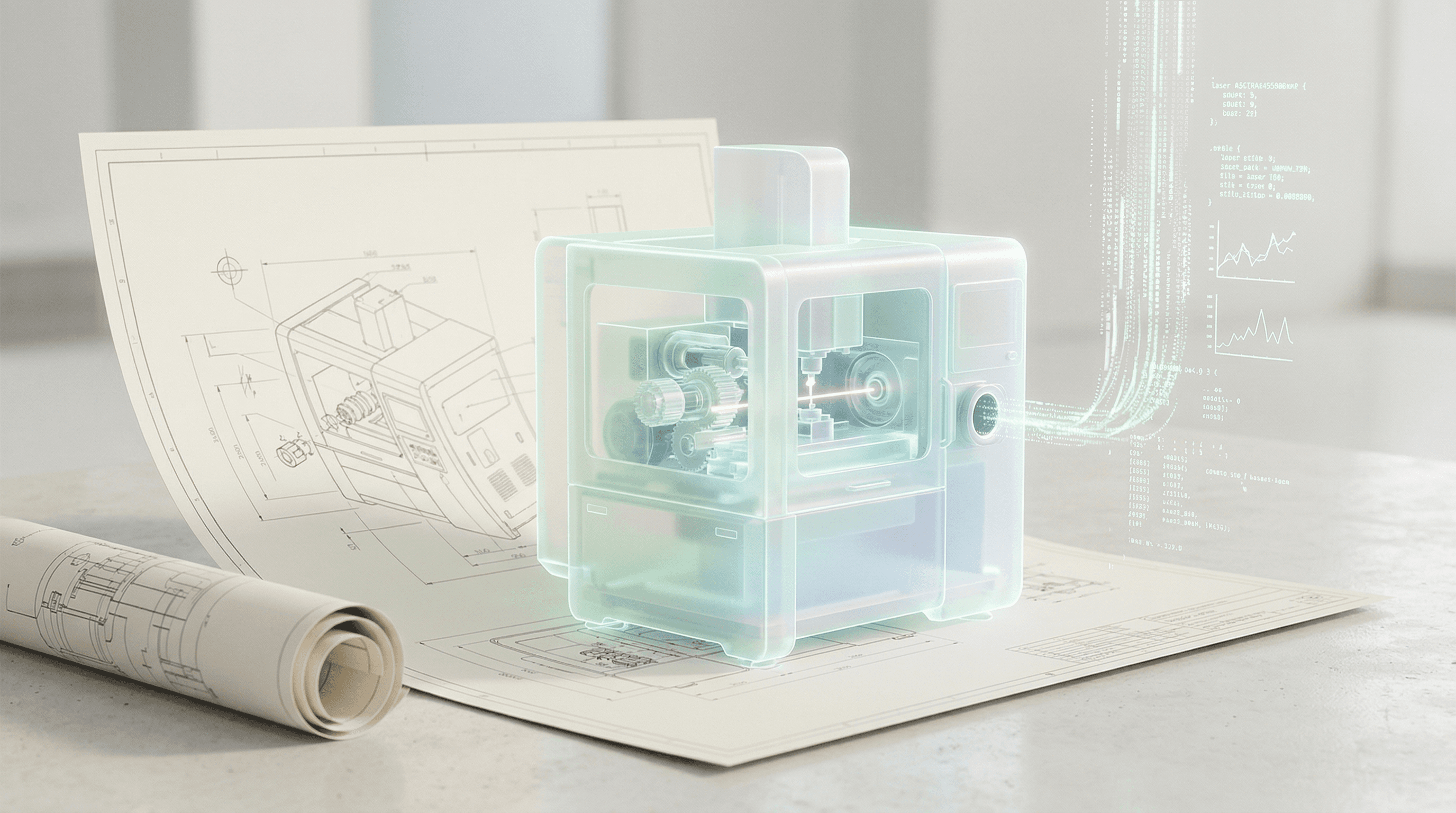
An interactive 3D product demo is a digital experience built using 3D assets. Unlike a pre-recorded video, it is not a fixed sequence of footage. Unlike a static presentation, it responds to the viewer.
A buyer exploring an interactive 3D product demo can rotate the product, zoom into specific components, trigger animated operational sequences, inspect dimensions, simulate the machine's software interface, and navigate between features at their own pace. The experience is guided but not rigid — it can be presented live by a salesperson or explored independently by a buyer after the meeting.
For industrial OEMs, this represents a fundamental shift in OEM product demonstration capability — from a tool that shows what the manufacturer chose to highlight, to one that lets the buyer explore what they actually need to understand.
"An interactive 3D product demo does not replace the salesperson. It gives them a tool that matches the sophistication of what they are selling."
Why Industrial OEM Sales Teams Need Interactive 3D Product Demos Now
Buyers research before they engage: Modern procurement teams form strong opinions about products before speaking to a sales representative. An interactive 3D product demo available on a company website means the product story reaches buyers during their independent research phase — not just during a scheduled meeting.
Complex products require more than a video:A three-minute product video shows what the manufacturer chose to highlight. An interactive demo lets the buyer explore what they actually need to understand — which is rarely the same thing.
Global sales teams cannot rely on physical demos:Shipping a machine to every prospect conversation is not scalable. An interactive 3D demo travels instantly, costs nothing to distribute, and can be shared with every stakeholder involved in the decision.
Post-demo engagement is now measurable:When a buyer explores a shared interactive experience after a meeting, their behaviour generates buyer engagement data — which sections they revisited, which features they spent the most time on, whether they shared it with colleagues. This industrial sales intelligence did not exist before.
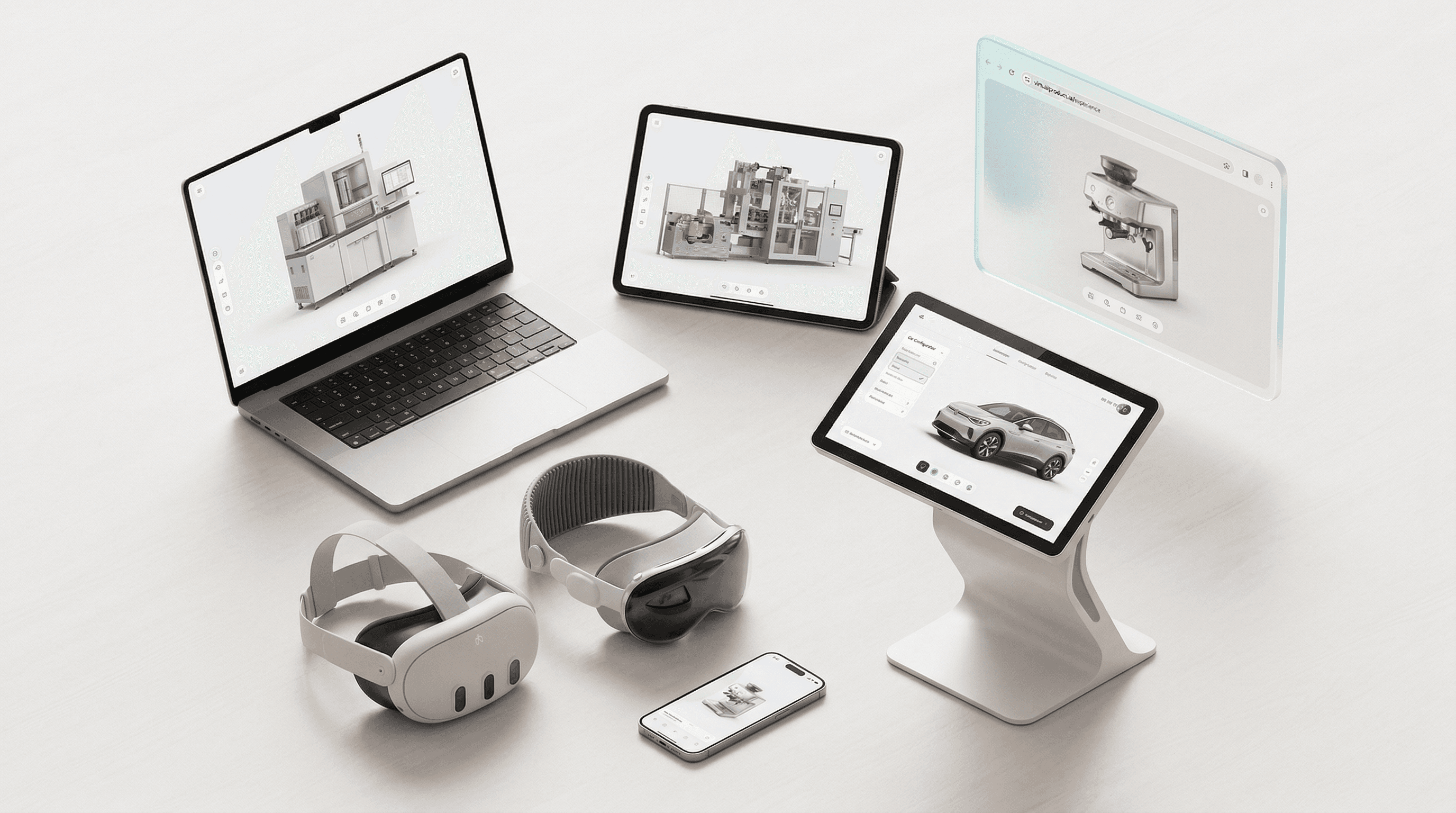
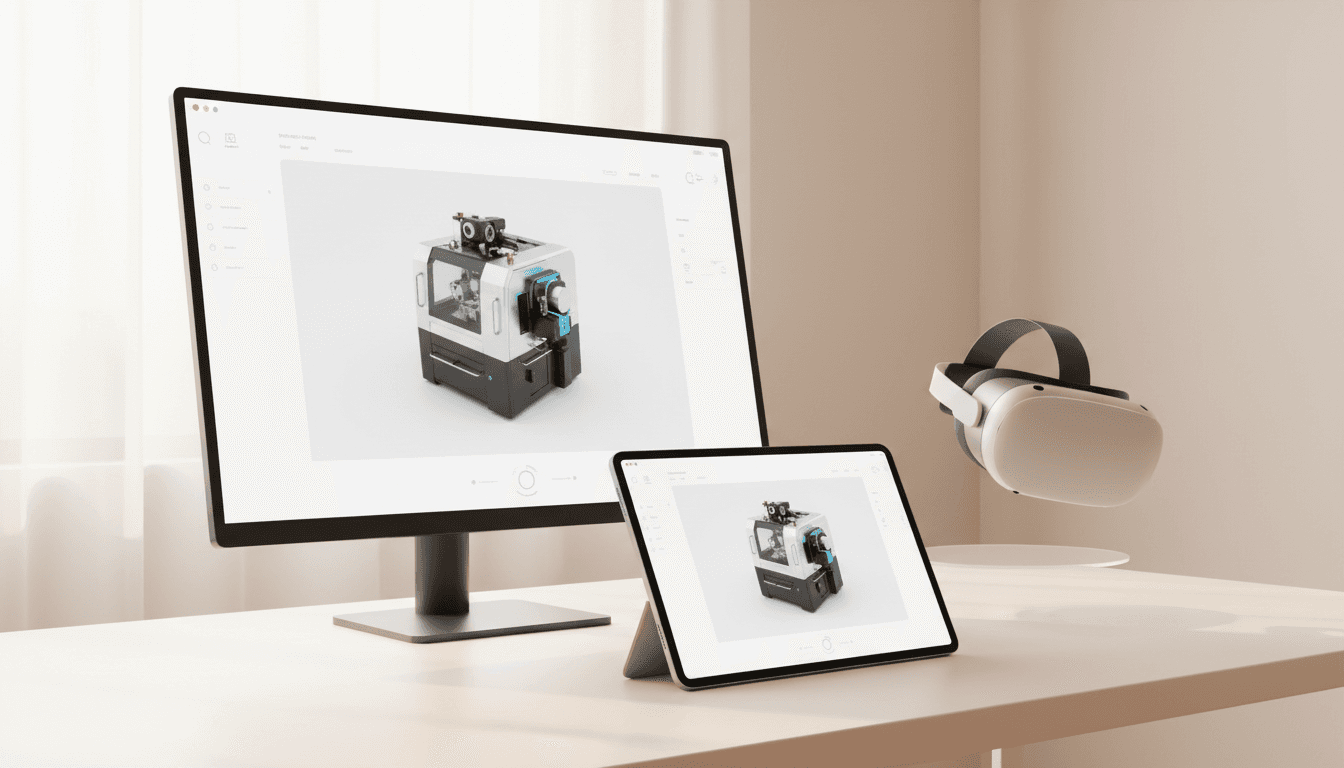
AR and VR extend the experience further:The same interactive 3D product demo can be experienced in a VR headset for immersive product walkthroughs, or placed into a buyer's real environment using mobile AR — without rebuilding anything from scratch.
How Interactive 3D Product Demos Change the Industrial Sales Process
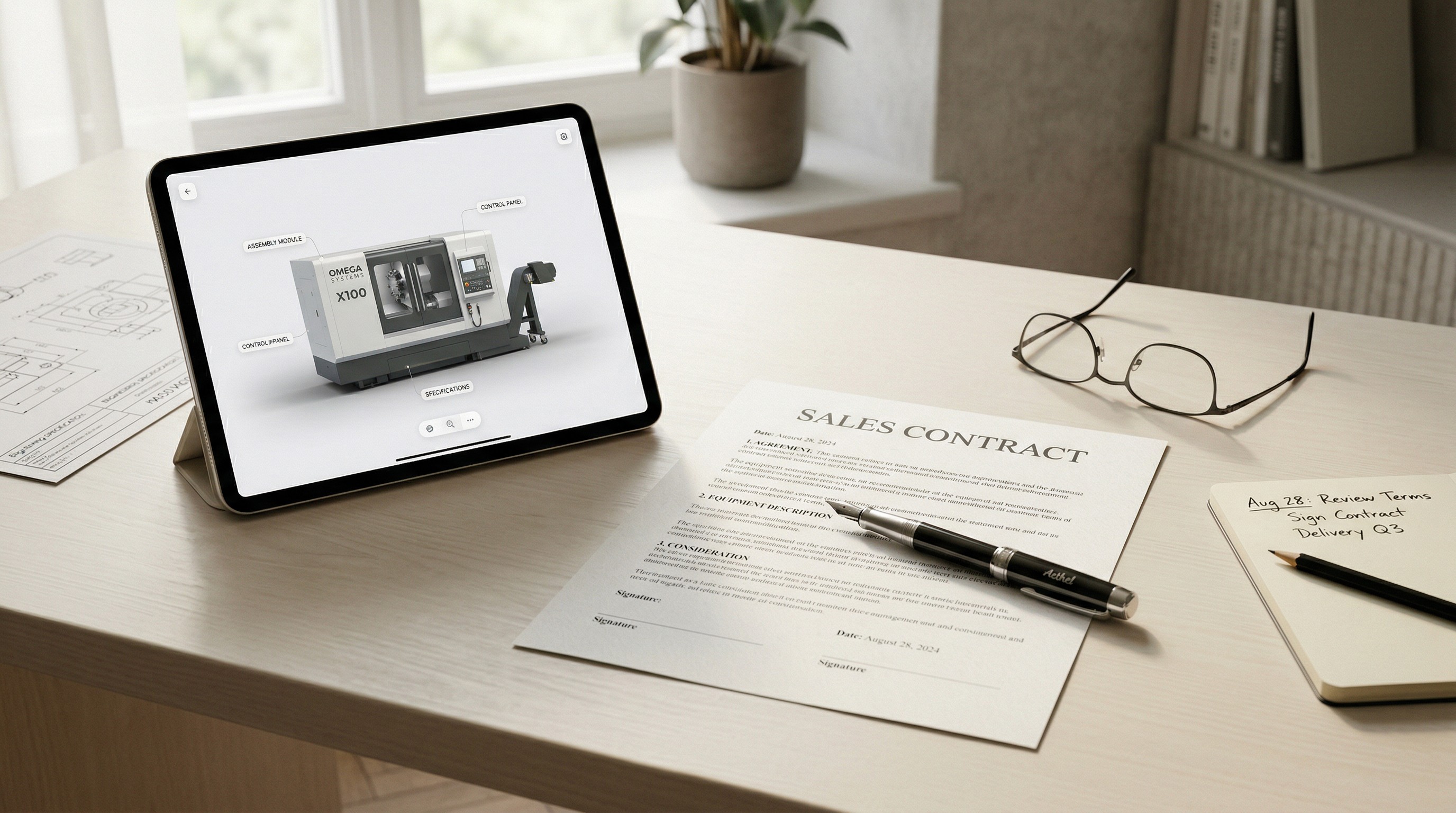
The impact of interactive 3D demos is felt across the entire sales cycle, not just during the initial presentation. Before a meeting, the experience can be shared as pre-read material so buyers arrive informed. During the meeting, the salesperson uses it as a live industrial sales tool rather than a slide deck. After the meeting, the buyer explores it independently and shares it with internal stakeholders.
At every stage, the sales team retains visibility into how the product story is landing. This transforms what was previously a one-directional presentation into a continuous, measurable sales asset — one that works around the clock, across every geography, without any additional effort from the sales team.
For OEMs managing complex product lines across multiple markets, this scalability is transformative. The same interactive 3D product demo that closes a deal in Germany can be shared with a distributor in Singapore the same afternoon.
Conclusion
Interactive 3D product demos are not a futuristic concept for industrial OEMs — they are a practical, deployable capability that exists today. For sales teams selling complex machines into competitive markets, they represent a meaningful shift in how effectively a product story can be told, shared, and measured.
The manufacturers who adopt interactive 3D product demos early will not just close deals faster. They will build a sales infrastructure that compounds over time — every experience created becomes a reusable asset, every shared link generates buyer engagement data, and every demo becomes smarter than the last.
In a market where buyers are more informed, more demanding, and harder to reach than ever before, the industrial sales tools that match the sophistication of what is being sold will define who wins and who falls behind.
Frequently Asked Questions
What is an interactive 3D product demo?
An interactive 3D product demo is a digital experience built using 3D assets that allows buyers to explore a product at their own pace — rotating it, triggering animations, inspecting dimensions, and simulating interfaces — rather than watching a fixed pre-recorded video.
How are interactive 3D product demos used in industrial sales?
They are used across the entire sales cycle — as pre-meeting material, as a live presentation tool, and as a shareable post-demo experience that buyers can explore independently and share with internal stakeholders.
Do interactive 3D product demos work for AR and VR?
Yes. The same interactive 3D product demo can be deployed across desktop, mobile AR, and VR headsets without rebuilding the experience from scratch, making it a highly scalable industrial sales tool.