Most OEM sales managers focus on hiring better salespeople. The ones gaining ground are focusing on something more controllable — making every demo consistent, repeatable, and measurable.
Introduction
Every OEM sales manager has seen it. Two salespeople present the same product to two different buyers and deliver completely different experiences. One leads with the right features, handles technical questions confidently, and leaves the buyer with a clear understanding of the product. The other goes off script, skips critical capabilities, and leaves the buyer with more questions than answers.
The difference is rarely talent. It is tooling. And for OEM sales teams selling complex industrial equipment, inconsistent product demonstrations are one of the most significant and least discussed drains on sales performance.
Consistent sales demos are not just a quality issue. They are a commercial advantage — and the OEM sales teams building systems around them are outperforming those that rely on individual rep quality alone.
Why OEM Sales Demos Are So Hard to Standardise
Standardising product demonstrations in industrial sales is genuinely difficult. The products are complex, the buyers ask unpredictable questions, and experienced salespeople develop their own styles and narratives over time. For sales managers, attempting to control this too rigidly risks undermining the relationship-driven instincts that make great salespeople effective.
But there is a difference between controlling how a salesperson communicates and controlling what they have access to. The problem with most OEM sales demo inconsistency is not that reps are adapting their style — it is that they are working from different materials, different versions of the product story, and different levels of product knowledge. This is a tooling problem, not a talent problem.
"You cannot train your way to consistent demos. You can only build systems that make consistency the path of least resistance."
The Real Cost of Inconsistent OEM Product Demonstrations
Deals lost to confusion: When a buyer leaves a demo without a clear understanding of how the product works or how it fits their needs, the deal stalls. In capital equipment sales where buying cycles are already long, this delay is costly.
Junior reps underperforming: New and junior sales team members do not have the product knowledge of veterans. Without structured sales demo tools, they rely on improvisation — and buyers notice the difference.
Managers have no visibility: When demos happen in person or on a call without structured tracking, sales managers have no way of knowing what was presented, what was skipped, or how the buyer responded. Coaching becomes reactive rather than proactive.
Distributor networks amplify the problem: For OEMs relying on global distributor networks, inconsistency scales. A distributor in a new market presenting a product they barely know, without proper sales enablement tools, creates a brand and commercial risk that is difficult to manage from headquarters.
The best content never reaches the whole team: Senior salespeople develop effective narratives, compelling ways of explaining complex features, and sharp answers to common objections. Without a system to capture and distribute this, it stays with the individual and leaves the organisation when they do.
What Consistent OEM Sales Demo Systems Look Like
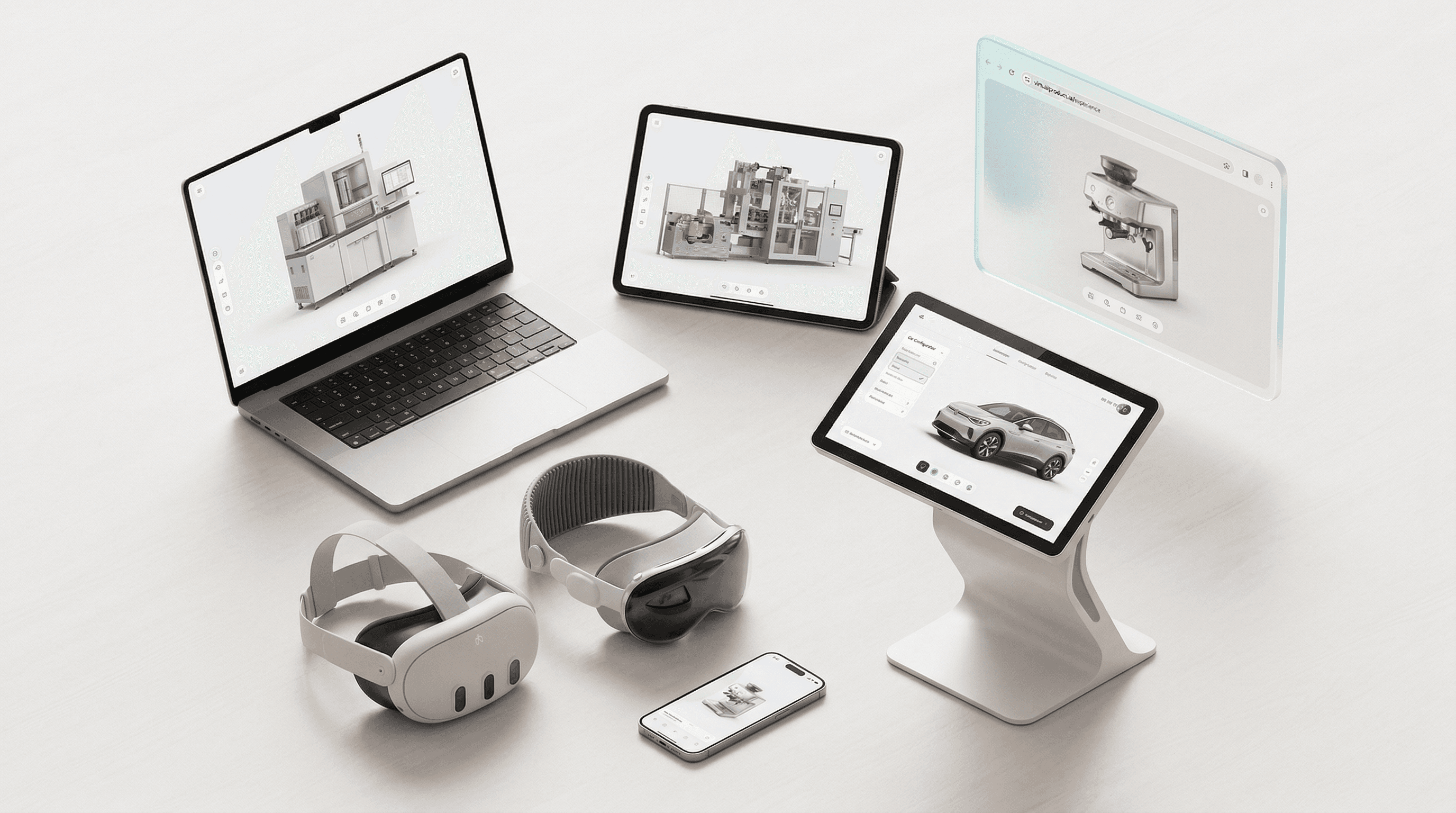
The most effective OEM sales teams are moving away from individual rep improvisation and toward structured, role-based sales demo systems. This does not mean scripted presentations that remove human judgment. It means giving every member of the sales team access to the same approved, up-to-date product experience — and the structure to present it consistently regardless of their experience level.
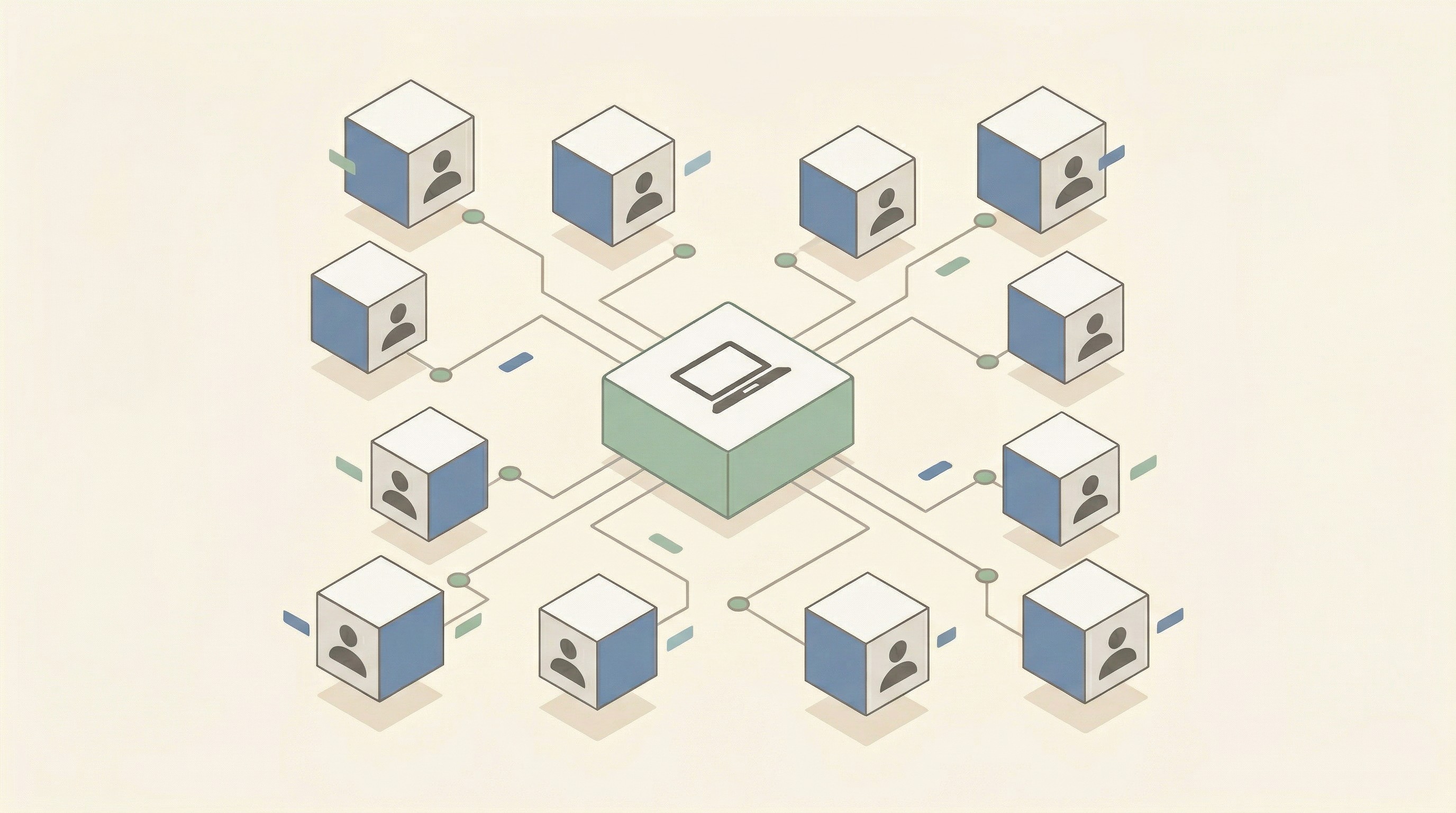
In practice this means senior sales leaders create and approve the product experience. Junior reps are assigned specific experiences they are permitted to present. Every demo session is tracked — which sections were covered, how long was spent on each, what the outcome was. Managers have visibility across the entire team, not just the deals that get flagged.
For distributor networks, the same approved experience can be shared globally — ensuring that a distributor in Southeast Asia presents the product with the same accuracy and quality as the internal team in Europe.
How Sales Demo Consistency Connects to Buyer Intelligence
Consistent OEM product demonstrations do not just improve the quality of individual sales conversations. They generate comparable data across the entire sales operation. When every demo follows a similar structure, the engagement signals that come back from buyers become meaningful at scale.
A sales manager who can see that buyers across multiple accounts consistently spend the most time on dimensions and spatial requirements has identified a pattern — not just an individual buyer concern. This kind of insight feeds directly back into how the product experience is built, which features are emphasised, and how the sales narrative evolves over time.
Consistency is not just about quality control. It is the foundation on which meaningful sales intelligence is built.
Conclusion
For OEM sales managers focused on improving team performance, the instinct is often to hire better people or invest in more training. Both have value. But neither addresses the underlying structural problem — that without consistent, controlled, trackable sales demo tools, individual rep quality will always be the ceiling.
The OEM sales teams building repeatable demo systems are not constraining their salespeople. They are giving them a foundation to perform consistently, a structure that scales across junior reps and distributor networks, and a feedback loop that makes every demo smarter than the last.
In industrial sales, where deals are complex, cycles are long, and buyers are demanding, consistency is not a baseline. It is a competitive advantage.
Frequently Asked Questions
Why are consistent sales demos important for OEM sales teams?
Consistent sales demos ensure that every buyer receives the same accurate, complete product story regardless of which rep presents it — reducing deal loss from confusion, improving junior rep performance, and giving sales managers visibility into what is actually being presented in the field.
How can OEM sales managers standardise product demonstrations across a large team?
By implementing role-based sales demo systems where senior leaders create and approve product experiences, junior reps are assigned specific experiences to present, and every session is tracked for coverage, engagement, and outcome.
How do consistent demos help OEM distributor networks?
Consistent, shareable product experiences allow OEM distributors in any market to present the product with the same accuracy and quality as the internal sales team — without requiring the physical machine or extensive product training.