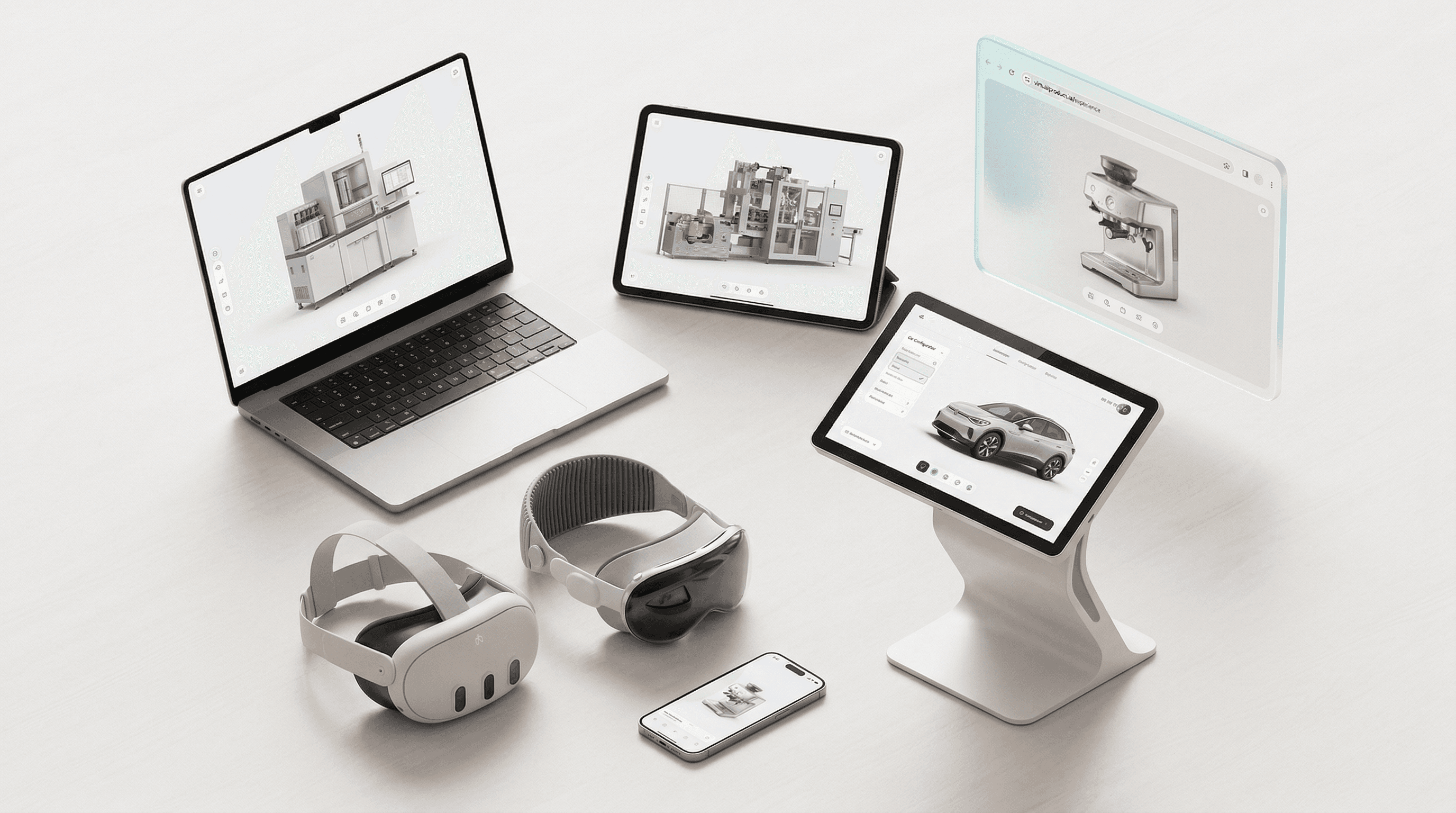
For decades, industrial sales teams have operated with almost no visibility into what happens after a demo. Buyer engagement data is changing that — and with it, the entire follow-up conversation.
Introduction
Every SaaS website has one main goal: to turn visitors into users.
But if your user journey feels confusing or cluttered, even the best product can lose potential signups.
Simplifying how users explore your site, understand your product, and take action is the key to higher conversions and happier customers.
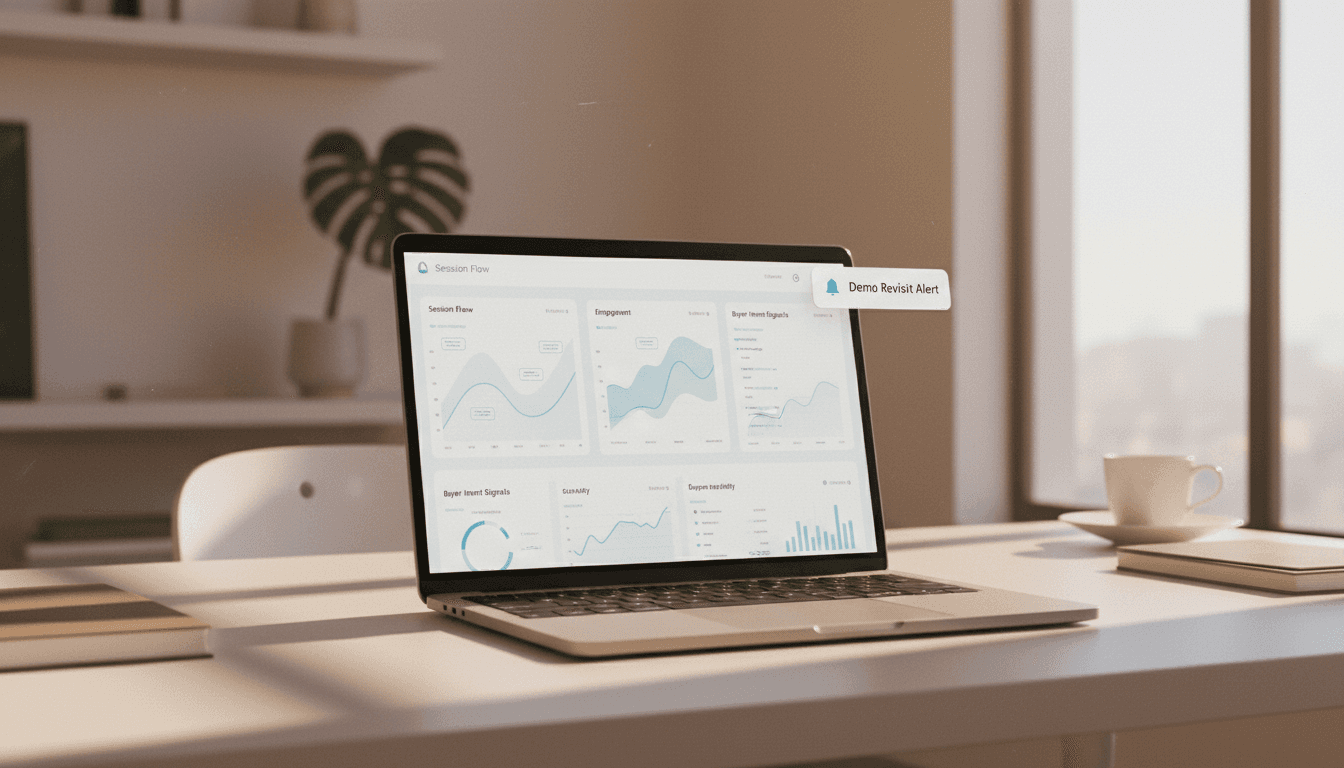
That information gap is closing. Buyer engagement data is giving capital equipment sales teams visibility into what prospects actually do with sales content after the meeting ends — and it is changing how the best teams in industrial sales operate.
What Buyer Engagement Data Actually Means in Industrial Sales
Buyer engagement data is not web analytics. It is not a count of how many people clicked a link or watched a video. In the context of capital equipment sales and sales enablement, it is specific, account-level intelligence about how an individual buyer or buying group interacted with a product experience.
This means knowing which sections of a demo a prospect revisited, how long they spent on dimensions or technical specifications, which animations they replayed, and whether they shared the experience with colleagues who were not present at the original meeting. Each of these signals gives industrial OEM sales teams something meaningful — a window into where a deal stands and what a buyer is actually thinking.
This kind of product demo analytics did not exist when sales content was limited to PDFs and pre-recorded videos. It becomes possible when the demo itself is an interactive, trackable experience.
"The follow-up call used to be a guess. Buyer engagement data turns it into a conversation you already know how to have."
Why Buyer Engagement Data Matters More in Capital Equipment Than Anywhere Else
Buying committees are large: Capital equipment decisions rarely rest with one person. OEM sales intelligence that shows which stakeholders have engaged with the product — and which have not — tells a sales team exactly where attention needs to be directed next.
Sales cycles are long: In a six to twelve month sales cycle, knowing that a prospect revisited a demo three weeks after the initial meeting is a meaningful signal. It indicates active internal evaluation and creates a clear, data-driven trigger for follow-up.
The stakes are high: When a deal is worth hundreds of thousands of dollars, the quality of every follow-up conversation matters. Buyer engagement data ensures those conversations are informed, relevant, and timely rather than generic.
Technical objections are common: If a buyer consistently spends time on dimensions or technical specifications, it signals a concern that has not yet been voiced. A sales team with this industrial sales intelligence can address it proactively rather than waiting for it to derail a late-stage conversation.
Post-demo silence is normal — but now it is readable: Buyers do not always respond immediately after a demo. Buyer engagement data means that silence is no longer unreadable — it reveals whether a prospect is actively evaluating or has quietly disengaged.
How Industrial OEM Sales Teams Are Using Engagement Data
The most immediate application of buyer engagement data is follow-up prioritisation. When a sales team can see that a prospect revisited a demo, spent significant time on a specific feature, and shared the experience with two additional colleagues — that account moves to the top of the call list. The follow-up is not a check-in. It is a targeted conversation built around what the product demo analytics revealed.
Beyond individual deals, engagement data also helps sales managers identify which parts of a product experience are consistently resonating with buyers and which are being skipped entirely. This feeds directly back into sales enablement strategy — informing how experiences are built, which features are emphasised, and how sales narratives are refined over time.
For OEMs managing large sales teams across multiple geographies, this visibility creates a level of consistency and accountability that was previously impossible to achieve. Managers can see not just whether demos are happening, but whether they are working.
Conclusion
Buyer engagement data does not replace the judgment and relationship skills that capital equipment sales has always demanded. What it does is remove the guesswork from one of the most critical phases of the sales cycle — the period between a demo and a decision.
For industrial OEMs operating in competitive markets with long sales cycles and high-value deals, that visibility is not a minor convenience. It is a meaningful commercial advantage. As interactive product demos become the standard sales tool for complex industrial equipment, the sales teams that use the engagement data they generate will consistently outperform those that do not.
The demo is no longer just a presentation. With the right OEM sales tracking in place, it is the beginning of a continuous, measurable conversation with every buyer in the pipeline.
Frequently Asked Questions
What is buyer engagement data in B2B sales?
Buyer engagement data is account-level intelligence that shows how a specific prospect or buying group interacted with sales content — such as which sections of a product demo they revisited, how long they spent on specific features, and whether they shared the content with colleagues. Unlike general web analytics, it is tied to individual accounts and deals.
How does buyer engagement data help industrial OEM sales teams?
It gives sales teams visibility into post-demo buyer behaviour, allowing them to prioritise follow-ups based on real signals rather than guesswork, identify technical concerns before they are raised, and tailor every conversation to what the data reveals about buyer intent.
What kind of sales content generates buyer engagement data?
Interactive product experiences — such as guided 3D product demos — generate the richest engagement data because they allow buyers to navigate freely, triggering trackable interactions at every step. Static PDFs and pre-recorded videos generate limited or no account-level intelligence.